Golden Vintage Garden Vol. 60: Layered Textures for Timeless Design
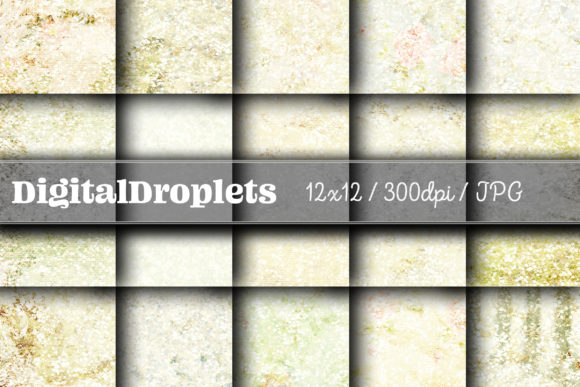
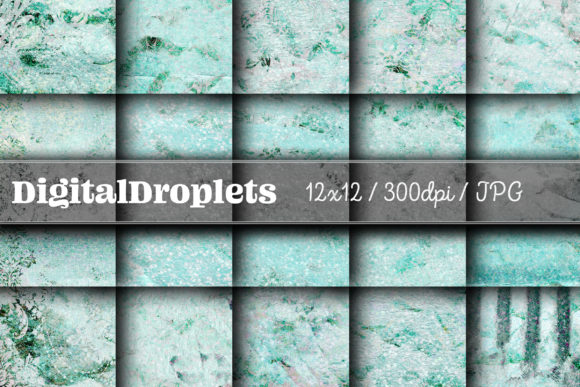
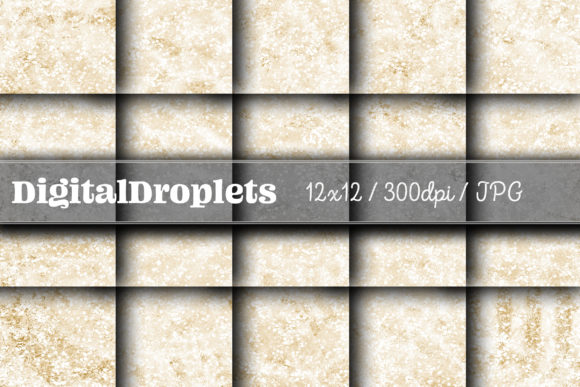
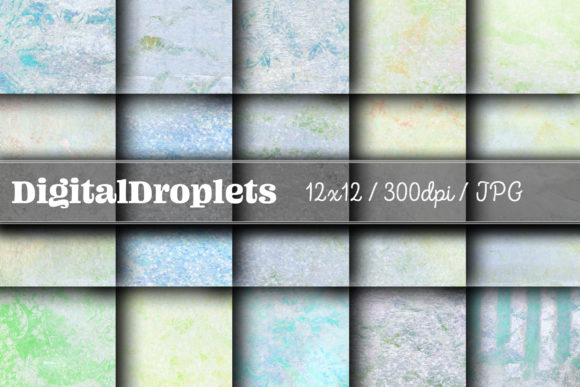
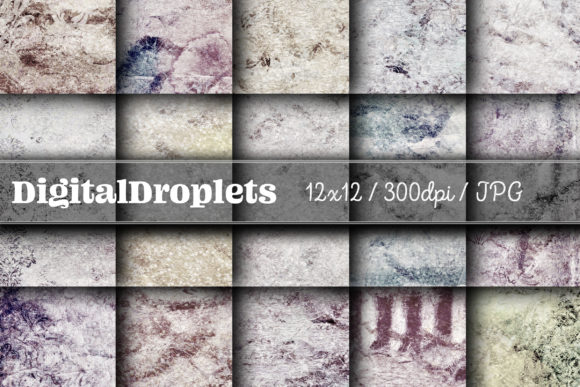
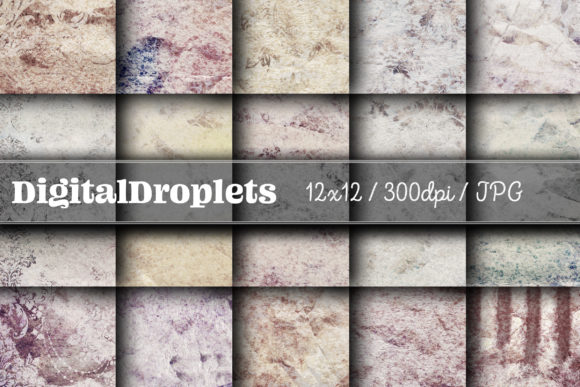
In the pursuit of a distinct visual identity, the right texture can transform a flat design into a tactile experience. The GoldenVintageGarden Vol. 60 | Collection offers precisely this, providing a set of 10 meticulously crafted 12×12 paper backgrounds. These assets blend subtle glitter textures with classic damask and lace patterns, creating a sophisticated foundation for projects that demand depth and a touch of nostalgic elegance.
Understanding the Asset: More Than Just a Background
At its core, this collection is a curated set of high-resolution JPEG files (300dpi) designed for professional use. The unique value lies in its layered construction. Alcohol ink or watercolor textures are digitally blended over vintage cardboard and ornate patterns, resulting in a rich, complex surface. This approach avoids the flat, repetitive look of basic digital papers, offering instead a dynamic canvas that supports visual hierarchy and adds immediate character to any composition.
Key Features for Design Professionals
- High-Resolution & Print-Ready: The 12×12 inch, 300dpi files ensure crisp output for both digital screens and physical prints, from invitations to wall art.
- Layered Depth: The combination of glitter, ink, and lace creates a multi-dimensional effect, reducing the need for additional texture overlays in your design workflow.
- Thematic Cohesion: As part of the broader Golden Vintage Garden line, these papers allow for easy expansion and systemization within a project or brand asset library.
Practical Applications Across Creative Disciplines
The versatility of these vintage-style backgrounds makes them a valuable asset across numerous fields. Their primary function is to establish a specific aesthetic mood, but their utility extends far beyond simple decoration.
Strengthening Brand Identity & Marketing
For brands aiming to communicate heritage, craftsmanship, or warmth, these textures are invaluable. They can serve as the foundation for a brand's color palette or as a recurring background element in marketing collateral. Consider using them for:
- Logo and Identity Design: Creating textured backgrounds for business cards, letterheads, and packaging that feel authentic and premium.
- Social Media Graphics: Developing a consistent, visually rich feed for platforms like Instagram or Pinterest, ideal for lifestyle, craft, or boutique brands.
- Editorial & Web Design: Enhancing blog headers, website hero sections, or digital magazine layouts to improve user engagement through tactile visual appeal.
Enhancing Physical and Digital Products
The practical applications are extensive, bridging print and digital realms. The papers excel as:
- Backgrounds for scrapbooking, junk journals, and handmade cards.
- Textured layers for washi tape strips, tags, and envelope liners.
- Digital bases for planner stickers, invitations, and printable wall art.
- Photography backdrops or styling surfaces for product shots.
Integrating Textures into Your Design Workflow
Effective use of such assets requires thoughtful application. To maintain a polished and professional result, always consider the following principles:
- Visual Hierarchy: Use the textured paper as a supporting element, not a competitor. Ensure your primary text and graphics maintain high contrast and readability against the detailed background.
- Consistency: When building a brand system, use variations from the same collection (like the other sets available in the shop) to maintain a unified look across different materials.
- Scalability & Composition: Test the pattern at different scales to see how it interacts with your layout. Sometimes, a subtle zoom or crop can better frame your key content.
- Audience Alignment: Match the vintage aesthetic to your target audience's expectations and the project's goals. This style communicates nostalgia, romance, and artisanal quality.
Ultimately, the strength of a design lies in the harmony of its components. High-quality creative assets like the Golden Vintage Garden Vol. 60 | Collection provide the essential building blocks for that harmony. By thoughtfully integrating such textures, designers can elevate their work, creating not just a visual, but an experience that resonates and communicates with greater depth and intention. The right asset doesn't just fill space; it enriches the story you're trying to tell.