Laced Ink Vintage Vol. 48: Elevate Your Design with Timeless Texture
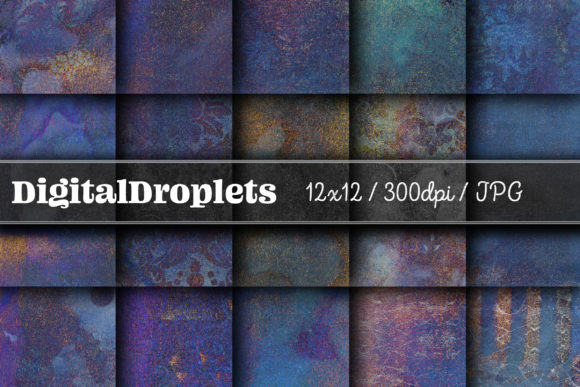
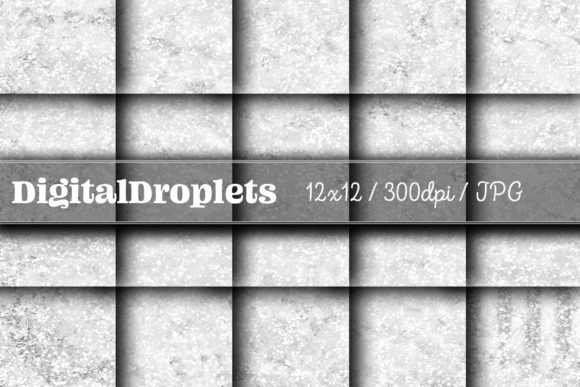
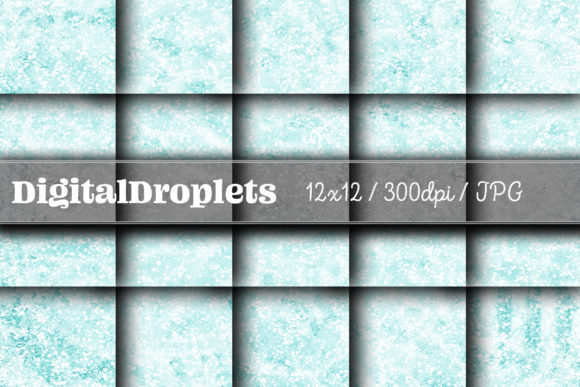
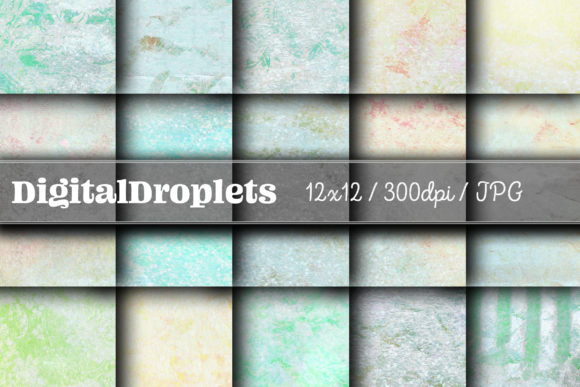
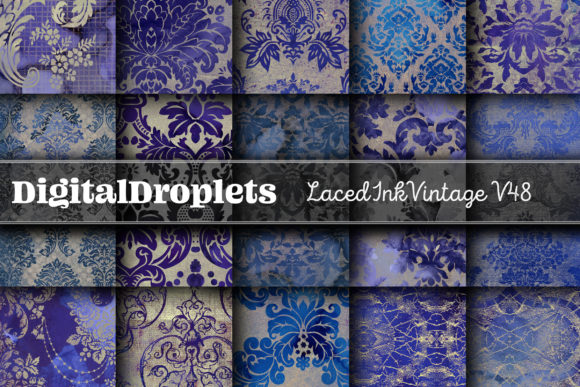
In an era saturated with sleek digital interfaces, the deliberate use of vintage texture can create a powerful and memorable contrast. The Laced Ink Vintage Vol. 48 | Collection offers a sophisticated solution for designers seeking to infuse projects with warmth, history, and tactile depth. This curated set of 10 high-resolution 12x12 papers blends classic damask and lace patterns with alcohol ink or watercolor textures, all resting on a nuanced cardboard base. Each paper features a subtle, unique border, providing an instant frame for content or a refined edge for die-cuts and shapes.
Beyond Scrapbooking: Strategic Applications for Modern Design
While ideal for traditional scrapbooking and junk journals, the true value of these assets lies in their versatility across professional design disciplines. The vintage aesthetic is not merely decorative; it communicates a narrative of authenticity, craftsmanship, and timelessness. Integrating textures from the Laced Ink Vintage Vol. 48 collection can significantly enhance visual hierarchy and user engagement in numerous contexts.
Practical Implementation Across Platforms
- Brand Identity & Packaging: Use these textured backgrounds on business cards, product labels, or boutique packaging to convey a handcrafted, artisanal quality. This strengthens brand storytelling and differentiates products on crowded shelves.
- Digital Marketing & Social Media: Create compelling Instagram Stories, Pinterest pins, or Facebook ads with layered, textured backgrounds. The subtle patterns add visual interest without overwhelming text or photography, improving readability and stopping power in fast-scrolling feeds.
- Editorial & Web Design: Apply them as website hero backgrounds, blog post featured images, or section dividers in digital magazines. They provide a rich canvas that enhances typography and makes headlines stand out, contributing to a more immersive user experience.
- Merchandise & Presentation: Design unique merchandise like posters, tote bags, or notebook covers. In presentations, these textures can replace stark white slides, adding a layer of professionalism and creative flair that holds audience attention.
Integrating Texture into Your Design Workflow
Effective use of textured assets requires thoughtful integration. Consider these factors to ensure cohesion and impact:
Visual Hierarchy & Readability: Texture should support, not compete with, core content. Use the papers from the Laced Ink Vintage Vol. 48 | Collection 12x12 Paper Set as a base layer. Apply overlays, adjust opacity, or use clipping masks to integrate them with solid color blocks or photographs. Ensure sufficient contrast between text and the textured background to maintain legibility.
Color Palette Synergy: Analyze the inherent color tones within the papers—warm browns, muted creams, soft inks. Build your project’s color palette around these hues for a harmonious result. Complementary accent colors can be drawn from the subtle ink bleeds or lace patterns for a cohesive and intentional design.
Scalability and Consistency: The high-resolution 300dpi files ensure crisp results in both digital and print applications. For a unified brand system, select specific papers from the set to become signature elements, using them consistently across all touchpoints to build recognition.
Curating Your Asset Library
When sourcing creative assets, quality and compatibility are paramount. Evaluate texture sets based on their resolution, licensing for intended use, and stylistic range. The Laced Ink Vintage Vol. 48 collection, with its blend of pattern, texture, and unique borders, provides a focused yet versatile toolkit. Exploring variations within a collection, like the other sets available, allows for expanded creative possibilities while maintaining stylistic consistency.
Ultimately, the choice of design elements directly influences the perceived quality and emotional resonance of a project. Thoughtfully selected assets like these vintage papers do more than decorate; they build atmosphere, tell a story, and create a tangible connection with the viewer. Investing in high-caliber resources streamlines the design workflow and elevates the final professional presentation, transforming good design into exceptional visual communication.