Vintage Woods Vol. 11: A Designer's Toolkit for Authentic Texture
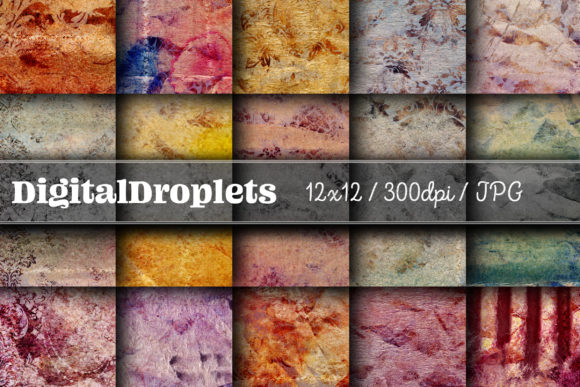
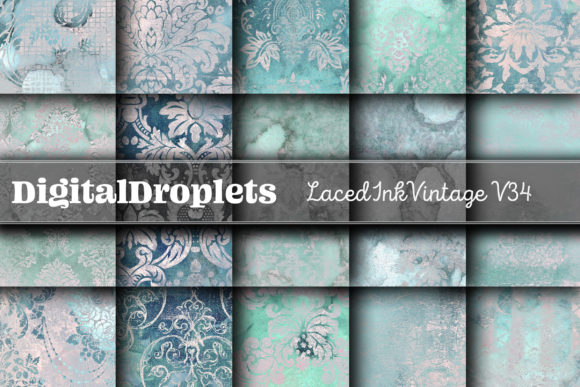
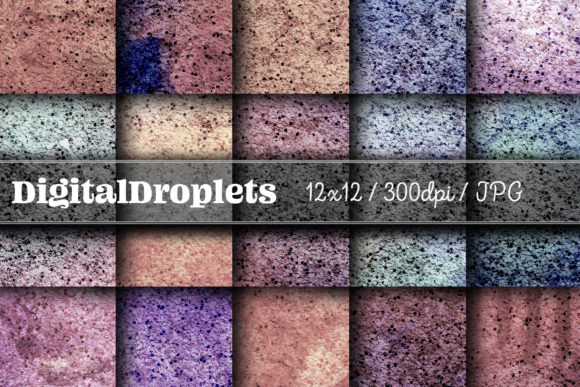
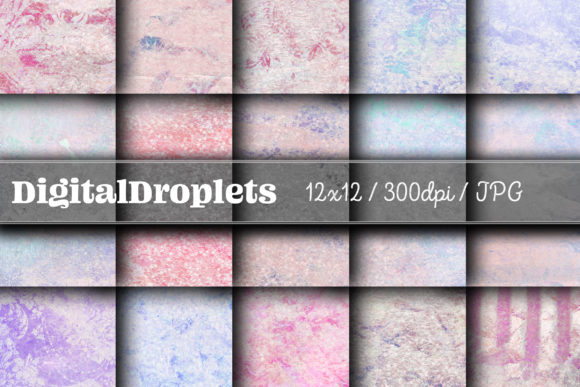
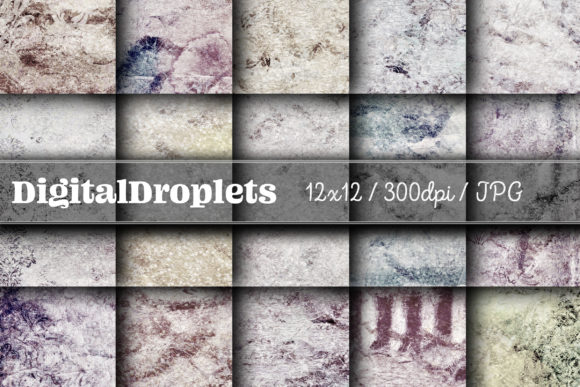
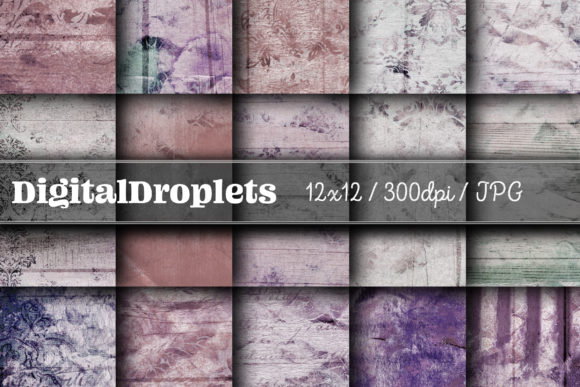
In a digital landscape saturated with sleek, minimalist designs, the warmth and authenticity of vintage textures can create a powerful emotional connection. The Vintage Woods Vol. 11 | Collection offers a curated solution for designers and creators seeking to inject this tactile, nostalgic quality into their work. This 12x12 paper set, featuring ten high-resolution backgrounds, masterfully blends distressed wooden textures with subtle damask, lace, and cardboard patterns, creating a versatile foundation for countless creative projects.
The Anatomy of a Cohesive Visual Asset
Each paper in the Vintage Woods Vol. 11 | Collection is a carefully constructed layer of visual elements. The design process involves overlaying authentic wood grain textures onto vintage paper foundations. These are then softened with alcohol ink or watercolor washes, which bleed into the underlying patterns of lace and damask. This technique results in backgrounds that are rich with history and character, yet remain subtle enough to support, rather than overwhelm, your primary content.
Why Texture Matters in Modern Design
Texture is a fundamental component of visual hierarchy and user experience. In branding and logo design, a textured background can communicate heritage, craftsmanship, or an artisanal quality. For web design and UI, these textures can be used sparingly to add depth to hero sections or blog post backgrounds, breaking the monotony of flat colors without compromising readability. In social media graphics, they provide an immediate, scroll-stopping visual anchor that feels more organic and engaging than a standard digital gradient.
Practical Applications Across Creative Disciplines
The true value of a resource like the Vintage Woods Vol. 11 | Collection lies in its adaptability. Its aesthetic aligns with several key design trends that emphasize authenticity and tactile appeal.
- Branding & Marketing: Use these textures as backgrounds for business cards, letterheads, and packaging design to reinforce a brand identity rooted in tradition and quality. They are perfect for artisanal food brands, boutique shops, or heritage-inspired companies.
- Editorial & Print Design: Enhance scrapbook pages, junk journals, and photo album themes. The papers work beautifully as backgrounds for frames, washi tape strips, tags, and envelopes, adding a cohesive vintage narrative to your layouts.
- Digital Products & Content: Create stunning blog headers, website backgrounds, or digital invitation designs. For presentation design, they can transform a standard slide deck into a compelling visual story.
- Social Media & Advertising: Develop eye-catching Instagram posts, Pinterest graphics, or Facebook ads that stand out in a feed. The texture provides a professional, polished backdrop for text overlays and product photography.
Integrating Textured Assets into Your Design Workflow
To effectively use textured backgrounds, consider these principles of professional graphic design:
- Ensure Readability: Always test text legibility over the texture. Use solid color shapes, slight overlays, or strategic placement to ensure your message remains clear and accessible.
- Maintain Consistency: When using multiple papers from a collection, like the full 20-paper set that this 10-paper set belongs to, you can create a unified visual language across a campaign or brand system.
- Complement Your Color Palette: The muted, earthy tones in Vintage Woods Vol. 11 provide an excellent neutral base. Pair them with bold accent colors from your brand palette for dynamic contrast, or with analogous hues for a softer, harmonious feel.
- Scale and Adapt: High-resolution (300dpi) files are essential for print design. These assets are scalable for everything from small planner stickers to large-format wall art and photography backdrops, ensuring quality at any size.
Ultimately, the choice of creative assets directly impacts the efficacy of your visual communication. A resource like the Vintage Woods Vol. 11 | Collection is more than just a set of backgrounds; it's a toolkit for building depth, telling a story, and creating a memorable user experience. By thoughtfully integrating high-quality, textured elements, you elevate your work from merely informational to genuinely resonant, bridging the gap between digital precision and human warmth.