GoldenVintageGarden Vol. 19: Layered Textures for Timeless Design
In a digital landscape saturated with flat, uniform aesthetics, introducing rich, tactile depth can be the key to creating a memorable visual identity. The GoldenVintageGarden Vol. 19 | Collection offers a sophisticated solution, providing designers with a set of 12×12 paper backgrounds that masterfully blend nostalgic patterns with modern artistic techniques. This collection is more than a simple set of textures; it's a versatile toolkit for building visual narratives that feel both luxurious and authentic.
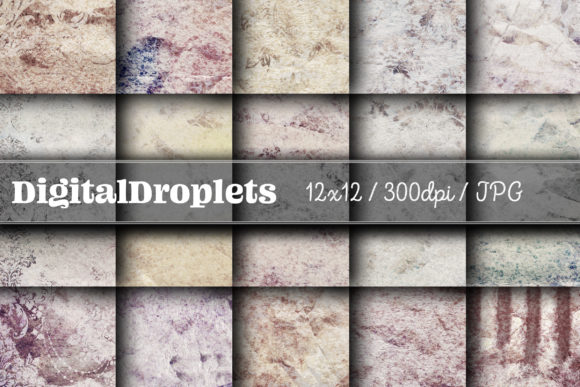
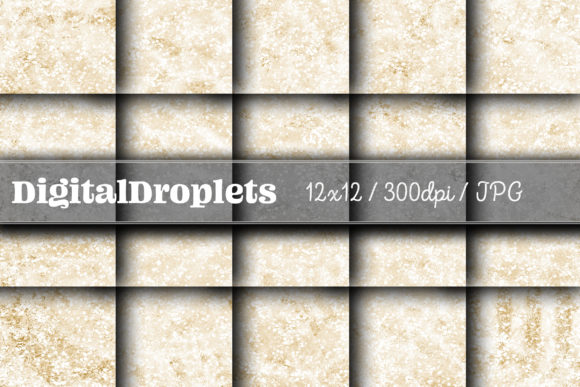
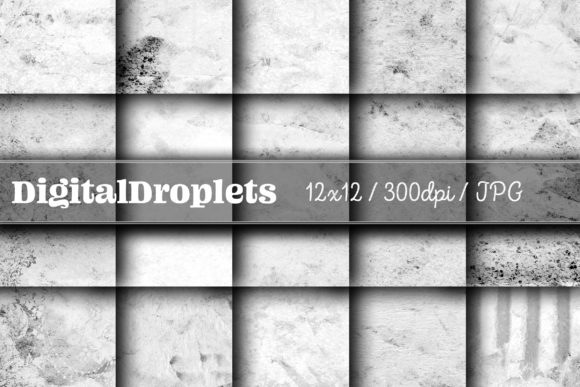
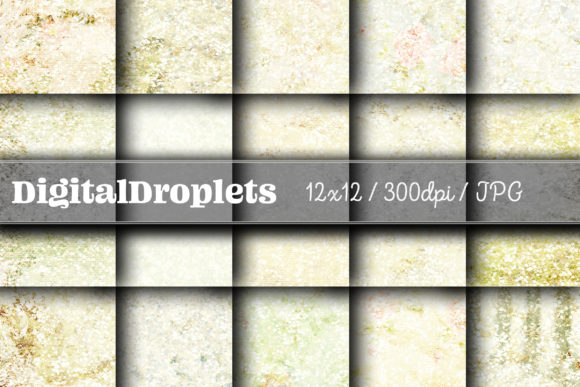
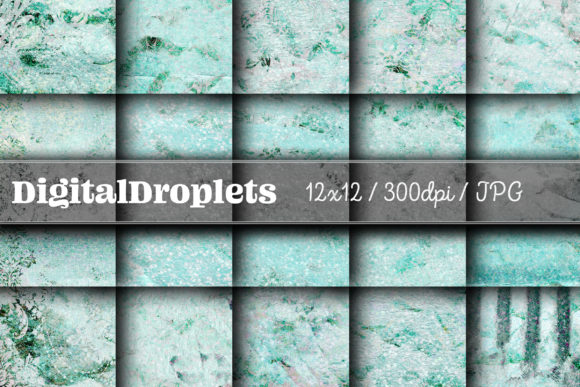
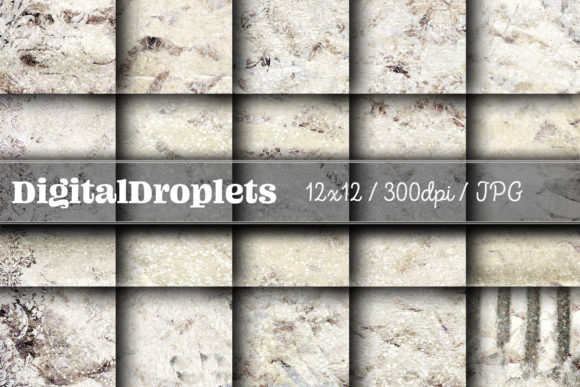
Each paper in this set is a carefully constructed composite. The foundation lies in classic vintage elements like intricate damask and delicate lace patterns, often layered over raw cardboard textures. What elevates these designs is the artistic integration of alcohol ink or watercolor washes, which bleed and blend across the surface. This creates a dynamic, multi-dimensional effect with subtle glitter accents that catch the light, offering a level of complexity difficult to achieve from scratch. For designers focused on brand identity and visual communication, these assets provide a ready-made palette of elegance and history.
Practical Applications in Modern Design Workflows
The true value of a creative asset lies in its adaptability. The vintage aesthetic of this collection is surprisingly versatile, supporting a wide range of creative projects across multiple mediums. Its layered quality adds instant sophistication to any design, making it particularly effective for projects aiming to convey warmth, craftsmanship, or a story.
Consider its role in branding and logo design. A texture from this set can serve as a subtle background for a logo presentation, adding context and personality without overwhelming the primary mark. For packaging design, these papers can inspire or directly inform surface patterns for boxes, labels, and wrapping, helping a product stand out on the shelf with a premium, handcrafted feel. In marketing materials and social media graphics, they create engaging backdrops for text overlays, quotes, and promotional imagery, enhancing visual hierarchy and stopping the scroll.
Key Uses for the Digital and Physical Creator
- Digital Products & Editorial Design: Perfect for ebook covers, blog headers, and magazine layouts where a textured, organic background enhances readability and mood.
- UI & Web Design: Use as subtle background textures in website sidebars, footer areas, or behind hero text to add depth without compromising user experience (UX).
- Print & Merchandise: Ideal for creating unique stationery, greeting cards, gift tags, and home decor prints. The high-resolution 300dpi files ensure crisp, professional results in any print design application.
- Presentation & Collateral: Elevate slide decks, invitations, and album pages with backgrounds that tell a story, making every piece of collateral feel intentional and polished.
Integrating Textures with Purpose and Consistency
When incorporating textured backgrounds, maintaining a clear visual hierarchy is paramount. The key is to ensure that the texture supports the content rather than competes with it. Use these papers strategically—for instance, as a full-page background with ample negative space, or as a framed element within a layout. Pair them with clean, legible typography to ensure your message remains clear. A strong serif or a simple sans-serif font often works best against such detailed backgrounds.
Consider the color palette of the collection. The warm, muted tones and metallic glints are excellent for creating a cohesive brand identity that feels established and trustworthy. They align well with current design trends that favor authenticity and mixed-media artistry. Before using, always evaluate how the texture's color and complexity will interact with your existing brand colors and imagery. The goal is to enhance, not clash.
Ultimately, thoughtfully selected creative assets like the GoldenVintageGarden Vol. 19 paper set streamline the design workflow. They provide a foundation of quality and aesthetic consistency, allowing designers to focus on composition, messaging, and the finer details of their professional presentation. By choosing assets that offer depth and narrative, you invest in designs that don't just capture attention—they hold it, communicate more effectively, and leave a lasting impression.